2026-08-11 · Mike Miller
Signs Of Termite Activity After Florida Rains
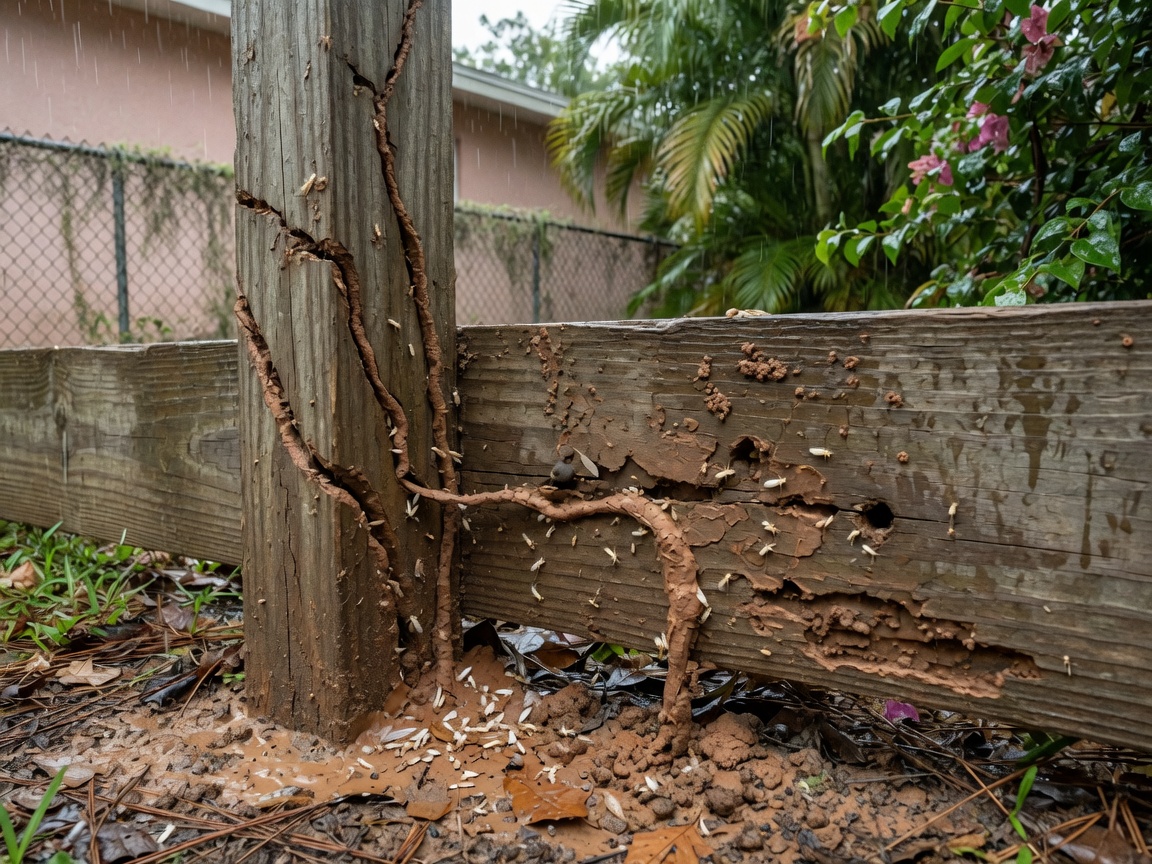
After Florida rains, signs of termite activity such as fresh mud tubes and discarded wings typically appear within 7–14 days in Tampa due to the humid subtropical climate with wet summers that softens soil and prompts colony expansion.
How Heavy Rains Trigger Termite Swarming in Tampa
Tampa's wet summers bring frequent downpours that saturate the ground and create ideal conditions for subterranean termites to expand tunnels and send out swarmers. In Hillsborough County, these rains soften soil around foundations, allowing colonies to push mud tubes higher on structures. Homeowners in areas like Downtown Tampa and West Tampa often notice increased activity because older homes have more wood-to-soil contact. The moisture also weakens cellulose barriers, giving termites easier access to framing. Local observations show swarmers emerging most often 1–3 days after a storm when humidity stays above 70 percent. Checking crawl spaces and siding immediately after rain helps catch early tubes before they dry and crumble. This pattern repeats yearly in the region because the climate supports year-round colony growth without true dormancy periods.
Visible Signs of Termite Activity Post-Rain
Fresh mud tubes on foundation walls or piers measure 1/4 to 1/2 inch wide and feel moist right after rains. These protective tunnels run from soil to wood and indicate active foraging. Blistered or bubbling paint on baseboards signals hidden galleries where termites have eaten from inside. Piles of 1/8-inch wings near windows or doors point to recent swarmer flights triggered by moisture. Hollow-sounding wood when tapped with a screwdriver reveals extensive damage that rains accelerate by increasing termite movement. In Ybor City Historic District homes, original wood floors often show these signs first along exterior walls. Spotting any combination of these within two weeks of heavy rain means colonies are actively feeding and expanding.
Checking Your Property in Neighborhoods Like Hyde Park and Davis Islands
Start inspections at the soil line around the entire perimeter, focusing on shaded or mulched areas that retain moisture longest. In Hyde Park and Davis Islands, raised foundations and proximity to the Tampa Riverwalk create extra humidity pockets that attract termites after storms. Lift mulch and inspect for tubes along stucco or brick. Inside, examine baseboards in bathrooms and kitchens where plumbing leaks add extra moisture. Use a flashlight in crawl spaces to look for dirt lines on joists. South Tampa properties near the Florida Aquarium face similar risks due to older landscaping that holds water against siding. Document any findings with photos and note exact locations to track whether new tubes form after the next rain event.
When to Contact a Local Exterminator
If mud tubes reappear within 48 hours of removal or swarmers are seen inside the home, professional inspection is warranted. A local pest control operator can perform a thorough check using moisture meters and listening devices to locate colonies without unnecessary drilling. In Seminole Heights and surrounding Hillsborough County blocks, treatment often involves targeted bait stations placed 10–20 feet apart along the foundation. Homeowners should schedule during business hours of Mon–Sat 7am–7pm to discuss findings and receive a written report. Early intervention prevents damage that can reach several thousand dollars in structural repairs. Follow-up visits every 3–6 months confirm the colony is eliminated and monitor for new activity after subsequent rains.
Protecting Tampa Homes Year-Round
Reduce moisture around the foundation by ensuring gutters direct water at least 5 feet away and grading soil to slope outward. Replace wood mulch with gravel within 12 inches of siding in neighborhoods like Ybor City. Store firewood off the ground and away from structures. Schedule annual inspections before the wet season begins to identify weak points. These steps complement professional termite control in Tampa and lower the chance of post-rain surges. Consistent monitoring in high-risk areas such as Lowry Park Zoo vicinity keeps colonies from establishing near residential blocks.